






















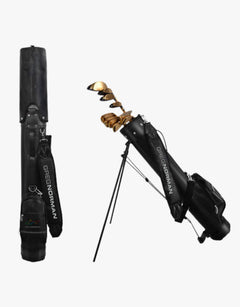
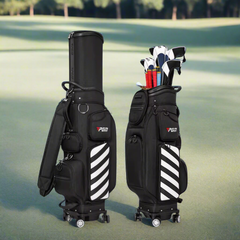
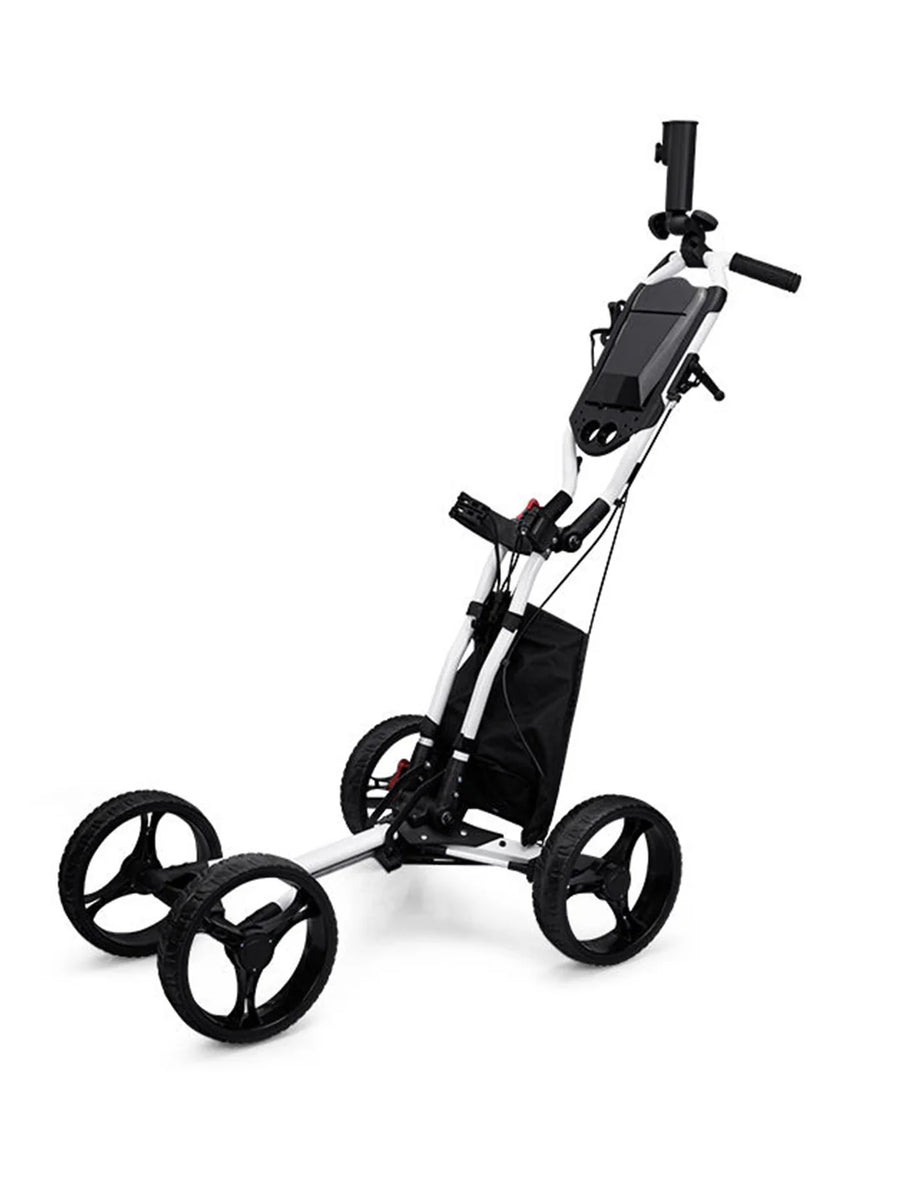

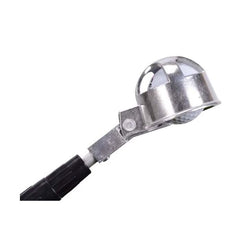
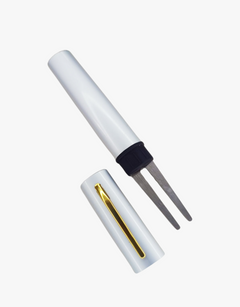
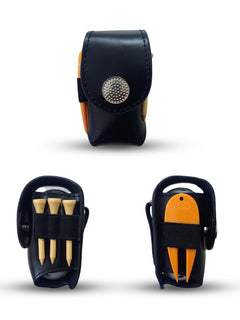
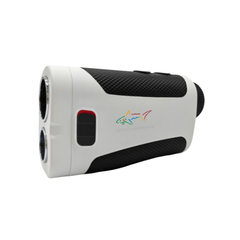
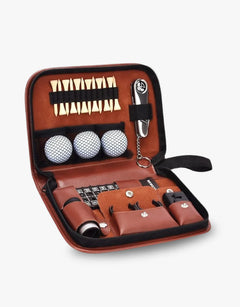
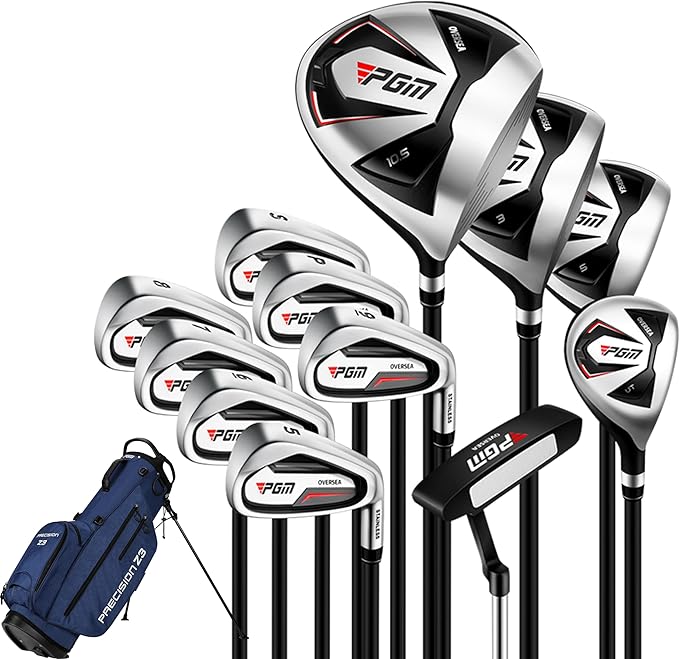

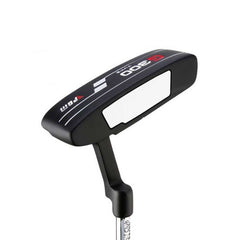

A consistent putting stroke is built at home, not only on the practice green. With smart, space-efficient setups, indoor golf putting can fit into a living room, balcony, spare corridor, or office cabin in India.
This guide breaks down how to choose a budget-friendly golf putting mat and compact accessories that train face control, start line, and pace without occupying your entire floor plan. If you need help matching space and budget, Golfbuy can shortlist options that roll true and store neatly.
Why practice putting at home
Putting is the fastest way to lower scores because it improves with repetition and feedback. A good golf indoor putting routine builds a reliable start line, repeatable tempo, and distance control from 3 to 12 feet. Small-space kits remove excuses and make it easy to log 50 focused strokes a day.
How to choose the right golf putting mat
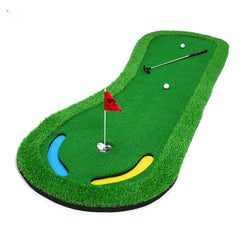
Start with roll quality. A mat should roll at a consistent speed with minimal grain, so putts do not wobble. Look for a true roll surface that mimics medium to quick greens. Check backing and thickness. A heavier base resists ripples on tile or marble, common in Indian homes, and lies flat without curling.
Priorities alignment tools. Subtle start-line markings and gate drills help square the face at impact, which matters more than flashy graphics. Value comes from durability, easy storage, and coaching cues that build habits.
Space planning for small apartments
Measure the longest straight shot you can take without moving furniture daily. For most homes, this is 7 to 10 feet along a wall, corridor, or balcony. Choose a mat length that fits this lane with a few inches to spare for the cup.
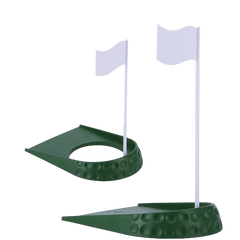
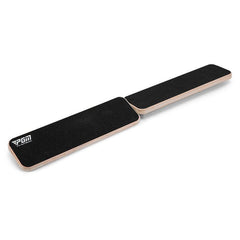
If space is under 7 feet, select a return-ramp or compact target cup that emphasises start line and face control over long-roll pace drills. For multipurpose rooms, pick a trifold or roll-up design that stows vertically behind a door.
Essential features that help
-
True-rolling turf with consistent speed, so feedback is trustworthy.
-
Subtle alignment lines at 3, 6, and 9 feet to reinforce the start line and stroke length.
-
Slight up-slope into the cup to train firm, centre strikes and reduce lip-outs.
-
Non-slip backing that grips tile or wooden floors is common in metro homes.
-
A simple storage solution, such as a strap or tube, to prevent creasing.
Add-ons that upgrade training without blowing the budget
-
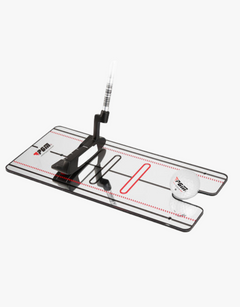
Start-line gate: Two small “gate” posts set just ahead of the ball force square impact.
-
Putting mirror: Checks eye line, shoulder alignment, and shaft lean in one glance.
-
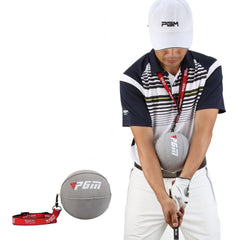
Putter path rails: Light guides that stop the face from fanning open or closed.
These tools stack small in a drawer and multiply the effectiveness of a basic golf putting mat.
Suggested small-space setups by budget
-
Under ₹2,500: Compact roll-up golf putting mat with a target ring or cup reducer. Focus on 3-to-6-foot start-line reps and consistent tempo. Ideal for deskside or balcony practice.
-
₹2,500 to ₹6,000: Mid-length mat with alignment lines, slight ramp, and non-slip base. Add a simple gate drill. This tier suits most apartments and gives meaningful feedback on face control.
-
₹6,000 to ₹12,000: Premium-rolling turf with consistent speed, return track or dual-cup targets, and a heavier base for true roll-on marble or tile. Add a mirror for posture checks and a gate for the start line. This is the sweet spot for golfers who want course-like feedback.
Simple drills that fit 10 minutes a day
-
3-6-9 ladder: Sink five balls at 3 feet, then five at 6, then five at 9. Restart on any miss to build focus under pressure.
-
Gate start-line: Place the gate 12 inches in front of the ball. Clear it ten times in a row to groove the face angle.
-
Pace box: Place a coaster or small book 12 inches past the cup. Stop five putts between the cup and the box to train dying speed.
-
One-hand control: Hit ten putts right-hand only, then ten left-hand only to improve face awareness.
Maintenance and storage tips for longer life
Vacuum or brush gently to lift fibres if the roll slows. Store rolled with the turf facing out to avoid edge curl. Keep the mat dry and out of direct sun on balconies so speed remains consistent. If the base puckers on the tile, place a thin yoga mat underneath for a smoother foundation.
Who benefits most from golf indoor putting
-
Busy professionals with limited weekday practice windows.
-
New golfers are building confidence inside 10 feet.
-
Juniors and women players who want low-impact, daily reps without a commute.
-
Serious amateurs prepping for medal rounds where two-putt avoidance is decisive.
Why consider Golfbuy?
If you are deciding between mat lengths, speeds, and storage styles, Golfbuy can recommend golf indoor putting kits that match Indian homes and office floors. You will find true-rolling options, compact mirrors, and start-line gates, plus support on exchanges if the size does not fit your space.
Conclusion
A small, consistent routine on the right golf putting mat pays off faster than occasional long sessions on the practice green. Choose a length that fits your corridor or living room, prioritise true roll and alignment cues, and add a simple gate or mirror for face control.
Ten minutes a day builds a calm stroke, better pace, and fewer three-putts. Ready to set up your corner practice lane? Explore compact, affordable golf indoor putting kits and accessories at Golfbuy, then start rolling them in at home.