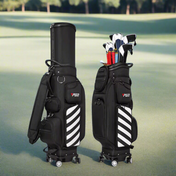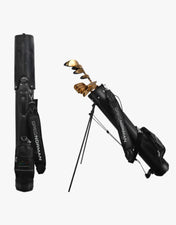

Getting juniors into golf is easier when their clubs fit, launch the ball easily, and feel light enough to swing with confidence. The right kids' golf set should match height and age, keep gapping simple, and leave room to grow without forcing an early, expensive upgrade.
This guide explains how to choose smartly by age and height, what to look for in shafts, heads, and bags, and the best paths for Indian families balancing practice time, budget, and ambition.
Why fit matters more than brand?
Junior distance and consistency improve fastest when length, lie, and weight are in the right window. Too-long clubs cause toe strikes and low-ball flight. Too-heavy heads slow the tempo and make impact inconsistent. Look for age and height labels on every kids golf set, and if your child sits between sizes, choose the shorter option for the first 3 to 6 months.
Light graphite shafts with soft flex help launch, while shallow, wide soles stop irons from digging on damp Indian turf.
How many clubs does a beginner really need?
Start simple. For most kids from first swing to course-ready, 6 to 8 well-chosen clubs are enough: a high-lofted driver, one easy hybrid, 7 and 9 iron, a pitching or sand wedge, and a simple, high-MOI putter. This keeps the bag light and decisions easy. As speed and strike improve, add a second hybrid or a gap wedge before jumping to a full 10 to 12 club build.
Age and height guide to kids golf set selection
-
4 to 6 years, 100 to 120 cm: Seek ultra-light heads, soft graphite, and a tiny mallet putter. A 4 or 5-club pack keeps it fun and fatigue-free.
-
7 to 9 years, 120 to 135 cm: Move to a 6 or 7-club set. Add a hybrid and sand wedge for bunker practice. Prioritise a stand bag with comfortable dual straps.
-
10 to 12 years, 135 to 155 cm: Choose 7 to 9 clubs with a second hybrid or a 6 iron as gapping allows. Slightly firmer junior flex works as tempo improves.
-
13 to 15 years, 155 to 170 cm: Consider a “teen” 9 to 10 club build with more traditional lofts. Some athletes can transition to light adult heads with junior or A-flex shafts.
What to look for in junior club design
-
Driver: Higher loft, forgiving footprint, and lightweight shaft for quick launch and straighter starts.
-
Hybrid: The most important long club in a kids golf set. A shallow, friendly face helps from fairway and light rough.
-
Irons: Deep cavity backs, wide soles, and progressive lengths build confidence.
-
Wedges: One versatile sand or all-purpose wedge with a rounded leading edge to glide through variable lies.
-
Putter: A stable, easy-aim mallet with a clear alignment aid builds setup trust early.
Top-value picks by junior profile
-
First-time starter: Small, ultra-light 4 to 6-club set with high-loft driver, one hybrid, 7/9 iron, wedge, and mallet putter.
-
Range-regular improving fast: 7 or 8-club set with a second hybrid or a 6 iron to clean up gaps. Slightly firmer junior flex.
-
Tournament-minded teen: 9 to 10-club set with consistent gapping, two wedges, and a stable, fitted putter. Consider a simple upgrade ladder, not a full reset.
Fit and home checks before committing
Have your junior grip the driver at the address. The toe should not point up or sit too flat. With the 7 iron, check posture: if the handle climbs too high, the club is long. Roll ten putts on a floor line to confirm alignment, comfort and head stability. If ordering online, verify the brand’s height chart and exchange terms, then choose the length that keeps posture athletic rather than stretched.
India-specific advice that saves money
Humid mornings and monsoon rounds make gliding soles and higher lofts more forgiving. Practice is often range-heavy in metros, so a comfortable stand bag with padded straps matters as much as the clubs. For travel to academies or school programs, a durable bag bottom and clean divider top reduce wear and tangles.
Upgrade plan that avoids waste
-
Phase 1: Start with a 6 or 7-club kids golf set sized to height.
-
Phase 2: Add one club where the gap is largest, usually a second hybrid or a gap wedge.
-
Phase 3: Replace the driver and putter last, once height and tempo stabilise.
-
This keeps spending targeted while performance climbs.
Care tips to extend life
Wipe heads dry after dewy sessions, especially wedges. Store the bag upright so shafts stay straight and grips breathe. Replace grips annually for active juniors. Re-check length after growth spurts; sometimes a simple re-fit beats a full replacement.
Why shop with Golfbuy?
Choosing a kids golf set is easier with expert sizing support and flexible exchanges. Golfbuy can match height and swing tempo to the right length, flex, and head profiles across brands, then outline a clear, low-cost upgrade ladder. If you are between two sizes, ask for guidance on short-term fit versus growth room.
Conclusion
A well-fitted kids golf set makes the game fun and progress visible. Keep the build light, the gapping simple, and the head shapes forgiving. Size by height and posture first, brand second. Add clubs as skills grow rather than buying everything at once and lean on a trusted retailer like Golfbuy for sizing clarity and easy upgrades. The result is a junior who loves practice, finds more greens, and grows into the game with confidence.