























You need less equipment than you think
A new golfer can easily spend too much before learning the game. Every club looks important. Every accessory promises help. In reality, your first kit only needs to make practice simple, comfortable and repeatable.
Start with the golf basics. You need a sensible club set, a bag, shoes with grip, one glove, balls, tees and a few small course accessories. Add specialised equipment after your swing and playing habits become clearer.
Choose the clubs first
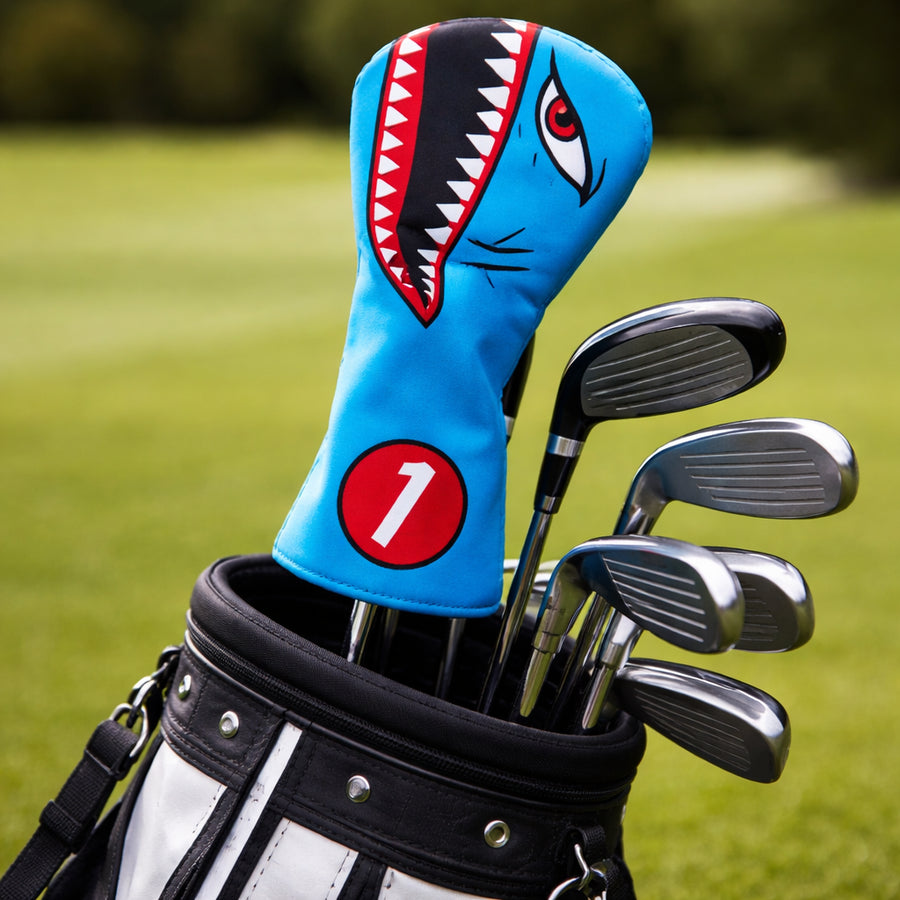
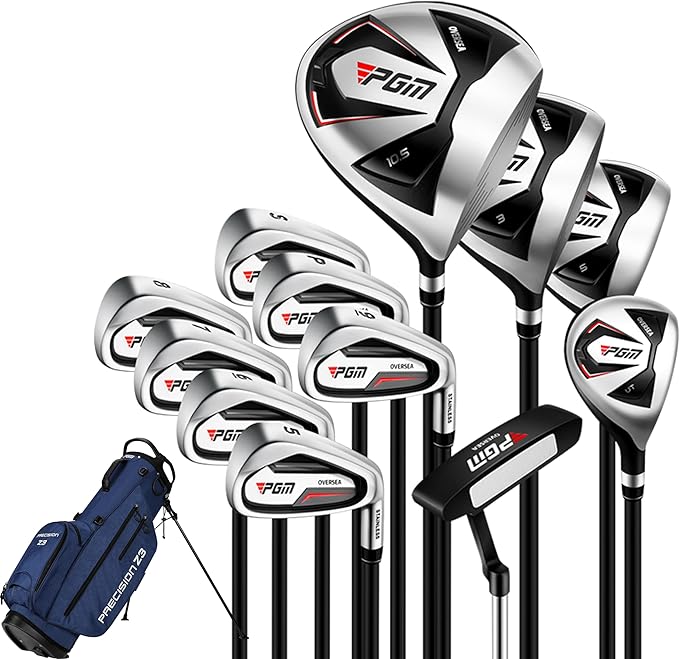
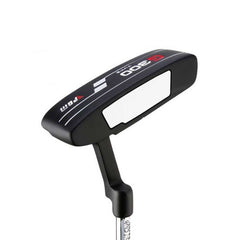
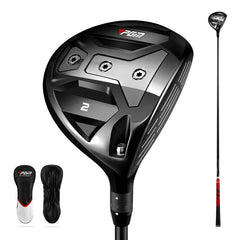
A golf set for beginners men should be forgiving and easy to launch. Look for an oversized driver, a fairway wood or hybrid, cavity-back irons, a wedge and a putter. A hybrid is especially useful because it replaces difficult long irons and helps get the ball airborne.
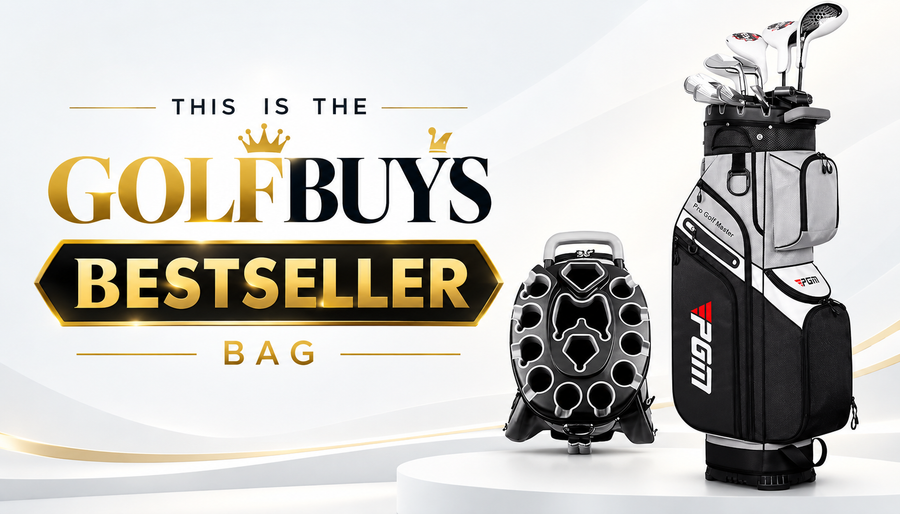
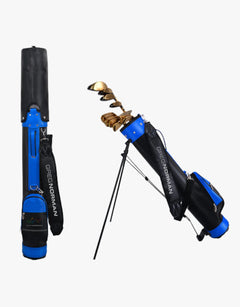
GolfBuyIndia lists complete PGM beginner packages as well as smaller Fazer starter sets. The PGM MTG051 is offered in different package sizes and uses a 460cc driver, lightweight graphite shafts and a low centre of gravity. The Fazer four-piece option keeps things simple with a driver, 7-iron, pitching wedge, putter and carry bag.
The best golf set for beginners men is not always the set with the highest club count. A smaller package works for lessons and range practice. A fuller set makes sense when you are ready to play regular rounds.
Buy for fit, not future ambition
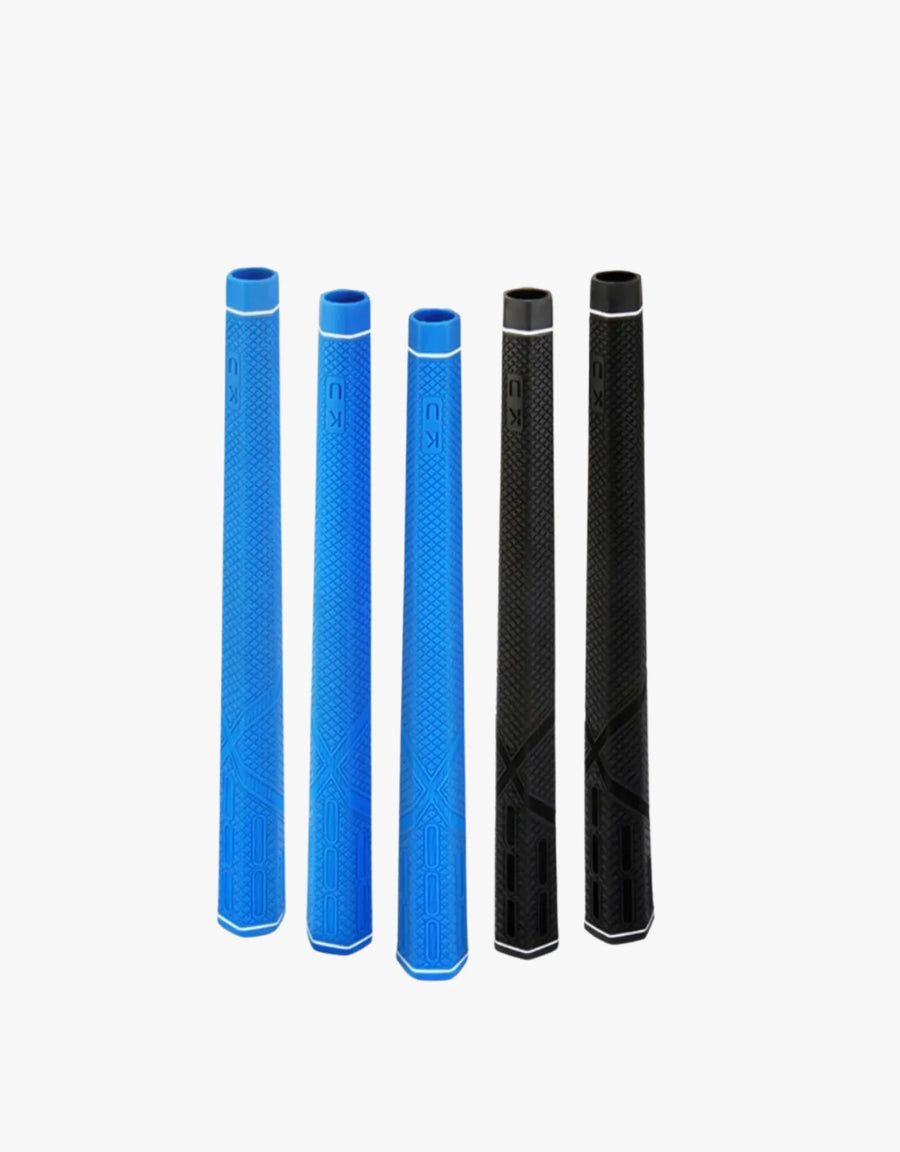
Shaft flex, club length and grip size affect how comfortable the set feels. Most adult beginners with average speed can start with regular flex. Faster or stronger players may need a firmer shaft, but guessing is not ideal. A lesson or basic fitting can prevent an expensive mistake.
For younger players, buy a proper kids golf set based on height. The PGM JRTG007 uses lightweight carbon shafts and is offered across junior height ranges. Junior clubs are easier to control and help children learn a balanced swing. Adult clubs cut down at home can remain too heavy and stiff.
Shoes and glove come next
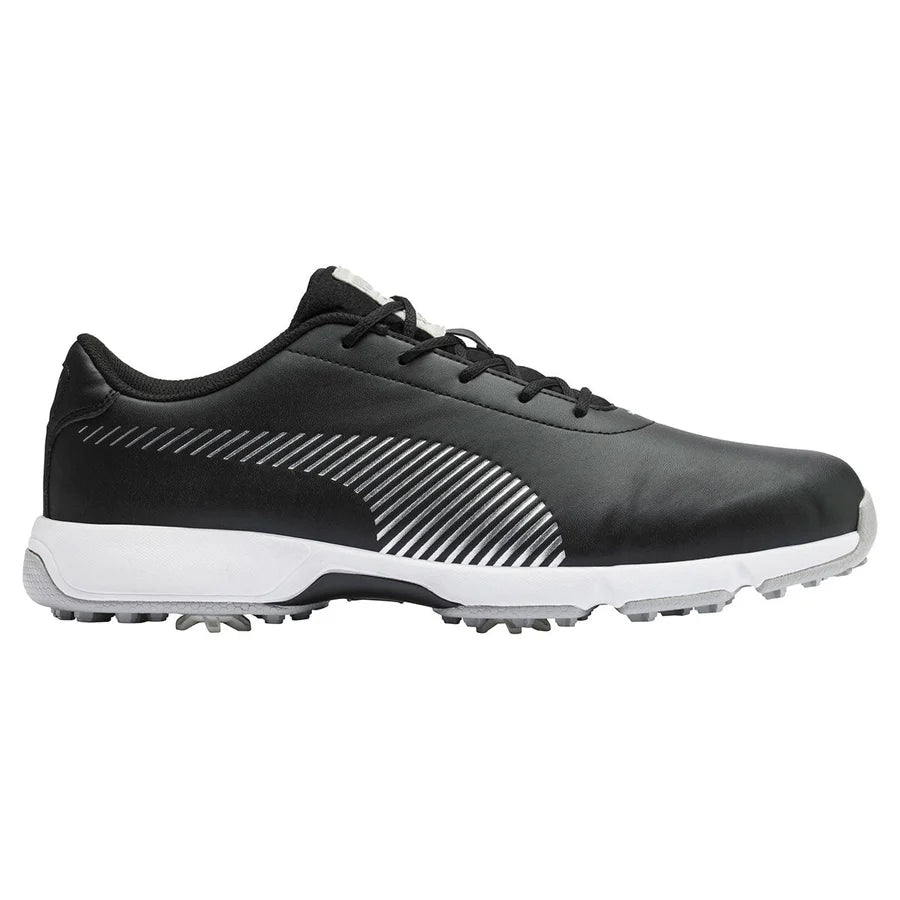
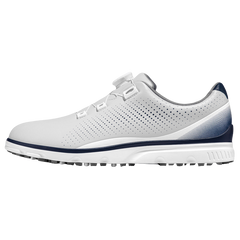
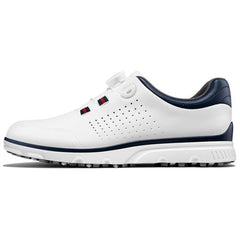
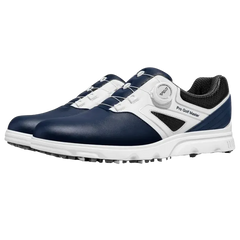
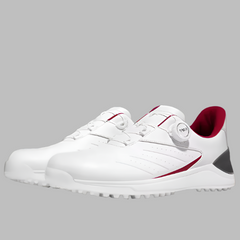
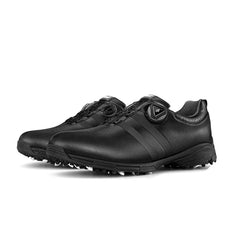
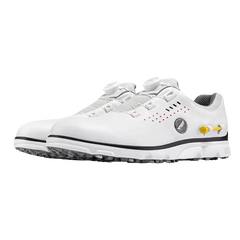
Golf shoes support balance and provide grip during rotation. Beginners do not need the most technical model. They need a comfortable pair with a secure heel and an outsole suited to local course conditions. Waterproofing is useful for dew and monsoon rounds.
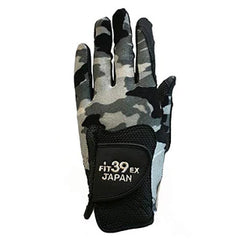
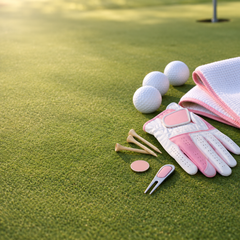
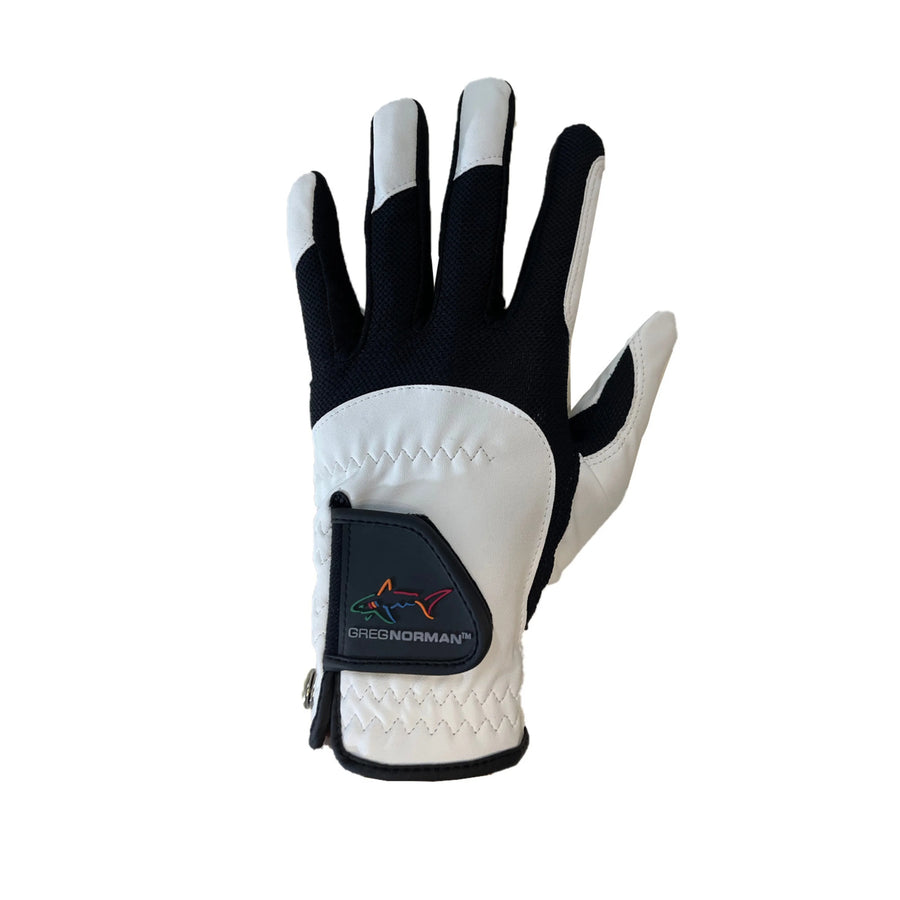
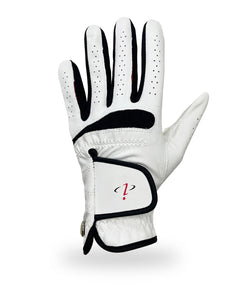
A glove improves grip and reduces rubbing during long practice sessions. Right-handed golfers usually wear it on the left hand. It should fit closely without bunching at the palm or leaving loose material at the fingertips.
Balls, tees and simple accessories
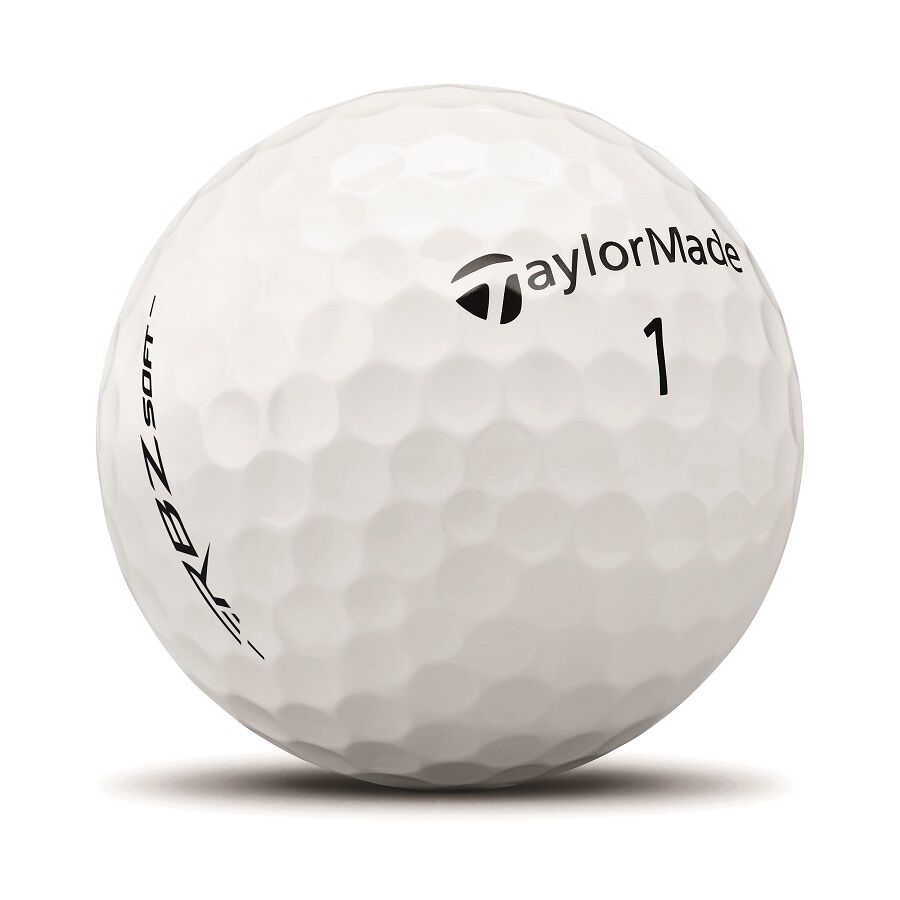
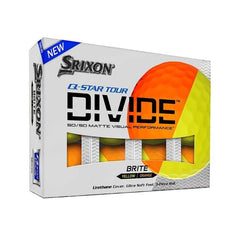
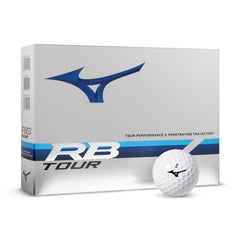
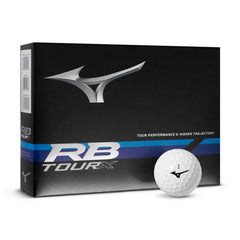
Start with durable, affordable golf balls. You may lose several while learning. Premium tour balls are unnecessary until you can notice and use the extra spin around the green.
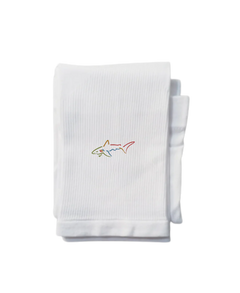
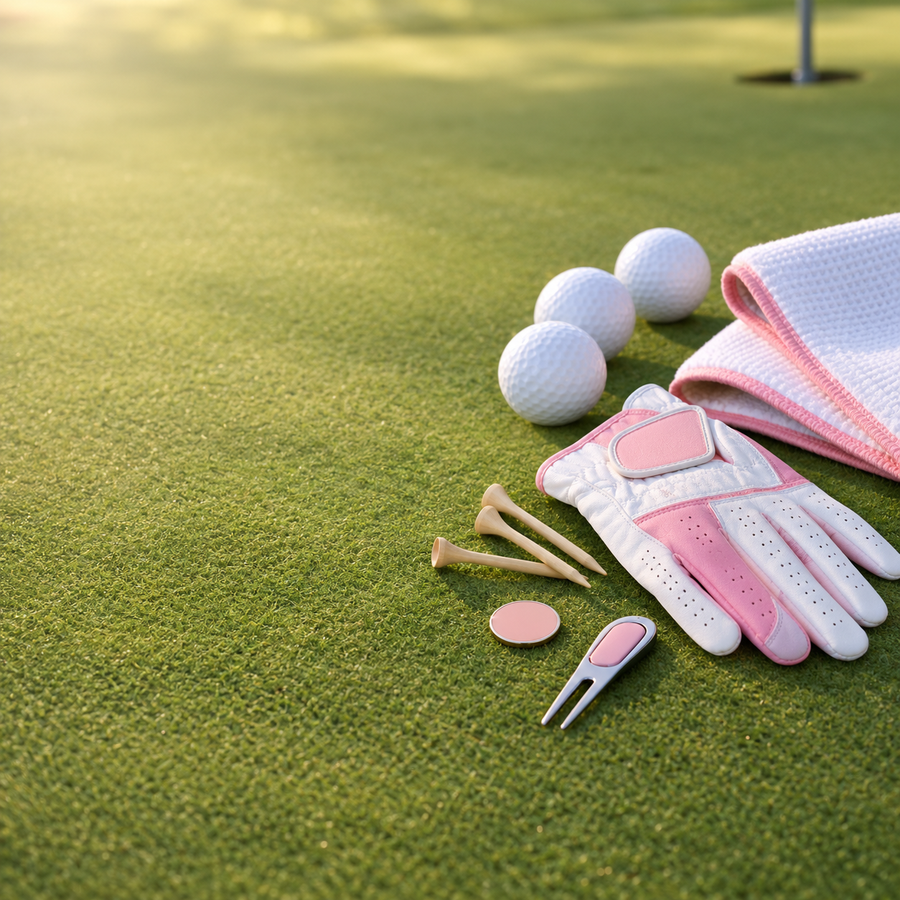
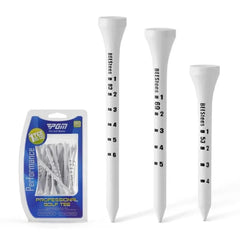
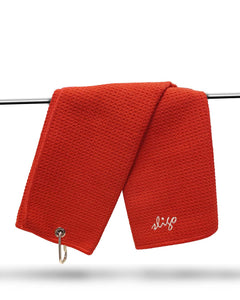
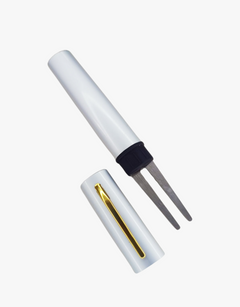
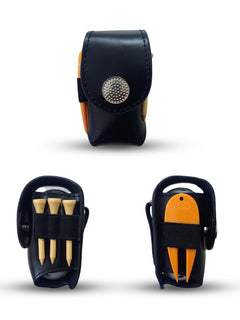
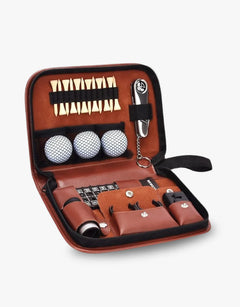
Carry wooden or plastic tees in two heights, a ball marker, divot tool and towel. The towel keeps the clubface and grips clean. Add a water bottle, sunscreen and a cap for Indian summer rounds. These practical items matter more than decorative accessories.
What can wait?
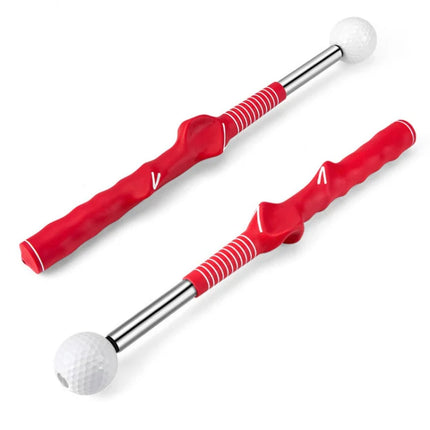
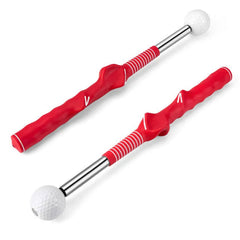
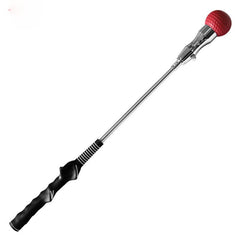
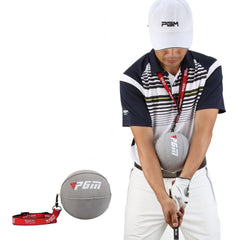
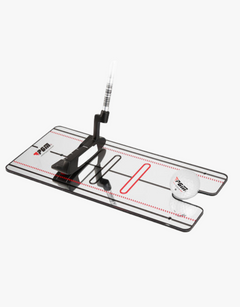
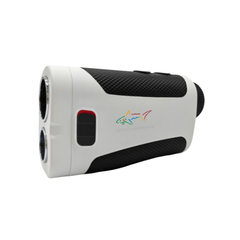
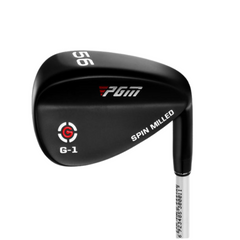
A rangefinder can wait until your distances become consistent. Extra wedges can wait until you understand your short-game gaps. Training aids should solve a specific fault identified by a coach. Buying several random aids usually creates more confusion.
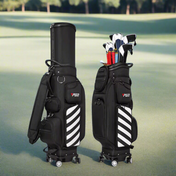
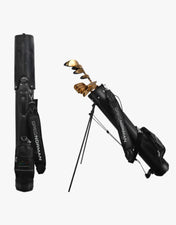
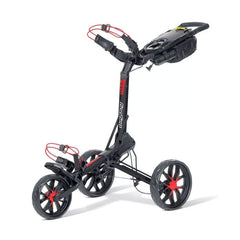
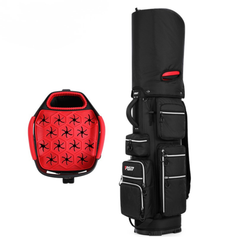
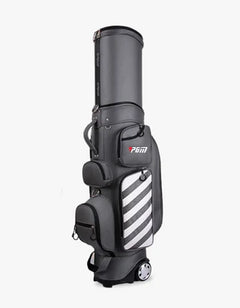
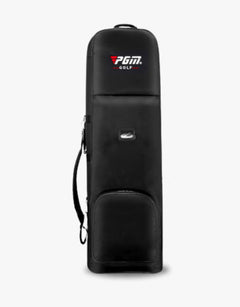
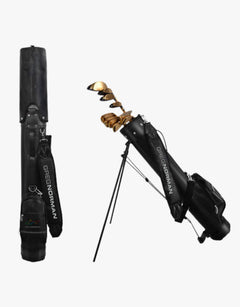
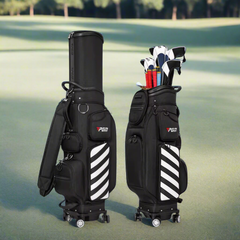
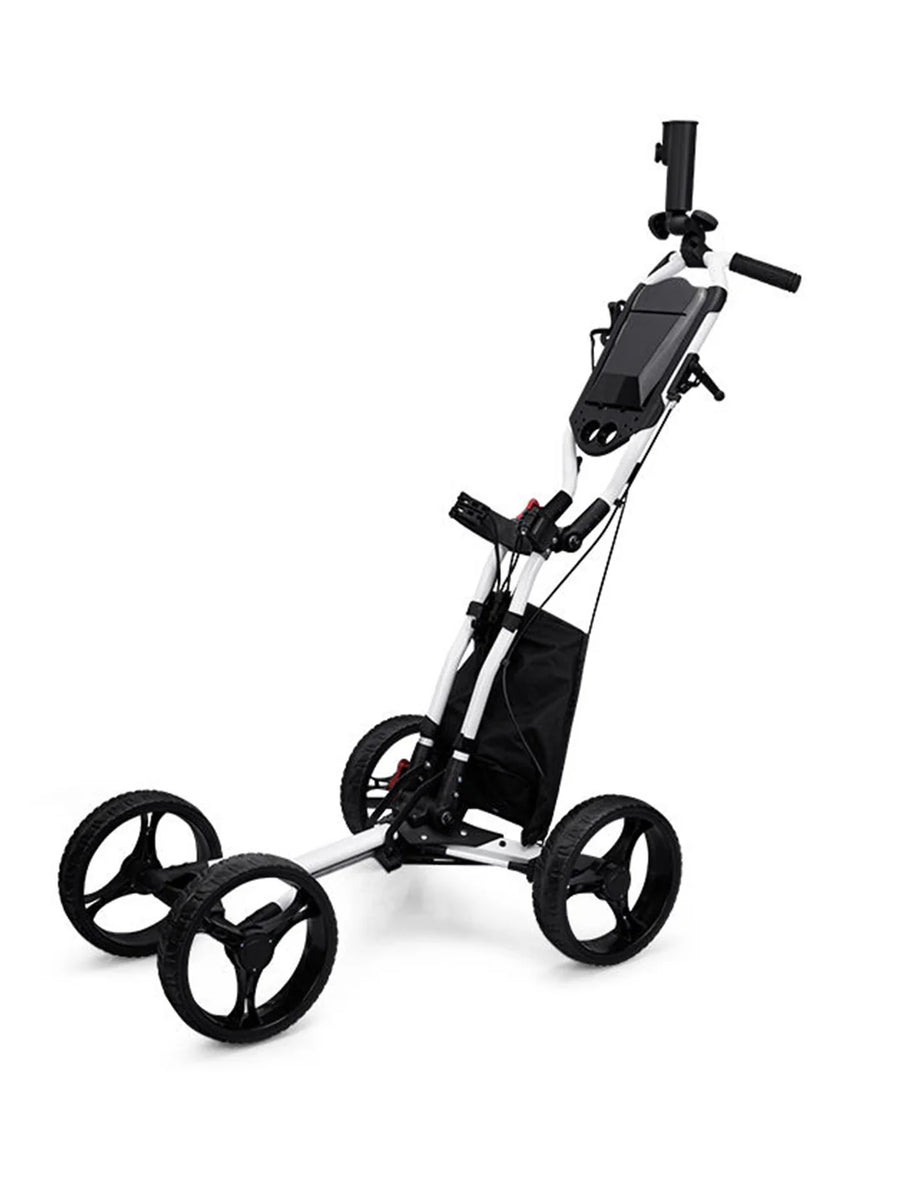
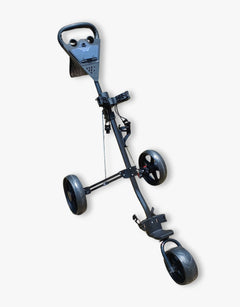
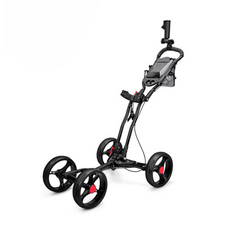
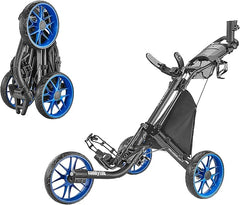
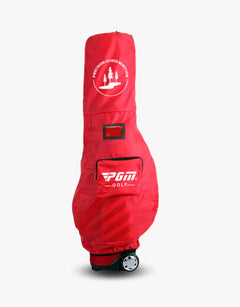
A trolley is useful if you walk with a heavy bag, but it is not essential for early lessons. Start with a carry bag or the bag included in your package. Upgrade when you know how often you play.
A sensible spending rule
Put the budget into clubs that fit and shoes that feel comfortable. Save on balls, tees and decorative extras. After ten practice sessions, review what you used before buying more.
Your first-month plan
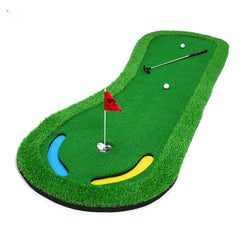
Spend the first week learning grip, posture and contact. Use the range before worrying about a full score. During the second and third weeks, practise putting and short chips. Then play a short course or nine holes with a patient partner.
A good beginner kit should remove friction. It should not impress people in the car park. Buy the essentials, take a lesson and give yourself time. Skill grows faster when the equipment is simple enough to trust.